How to Use AI in Marketing: The Free Playbook
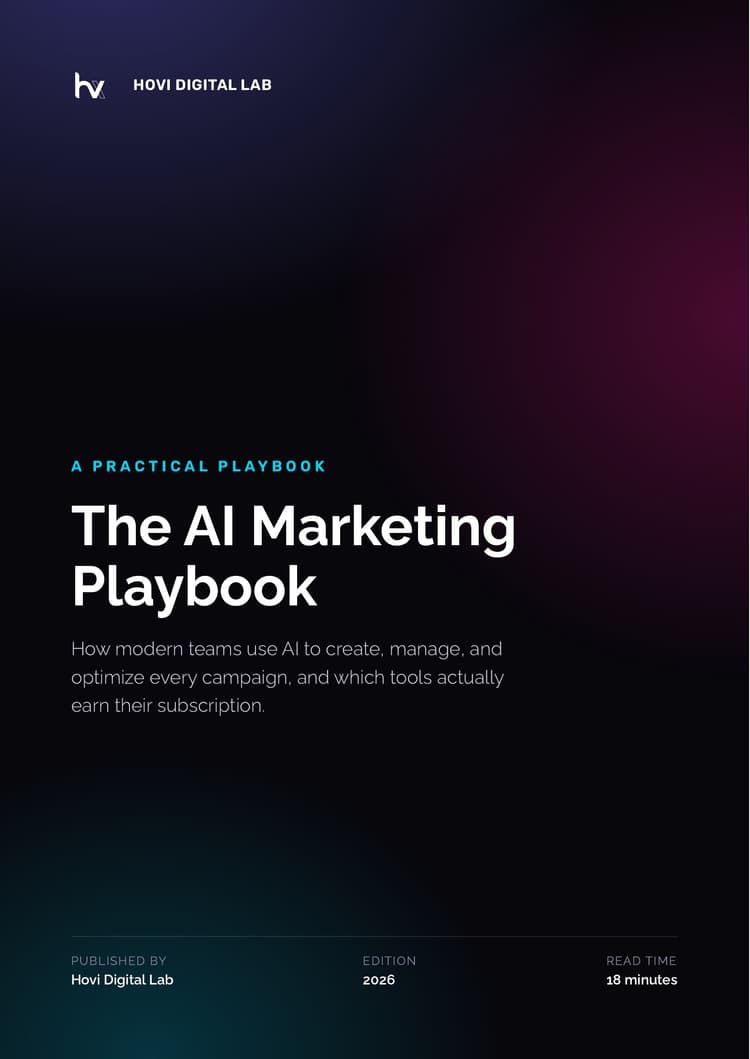
AI in marketing now touches five specific jobs: creating content and ads, managing tasks and approvals, reporting and optimizing ad spend, researching the market and the buyer, and planning the calendar. This free playbook breaks down each one with the exact tools teams use today, including thegrower.ai.
Get the free PDF
Enter your details and the download starts right away.
Let AI do the first draft, every time
Every piece of paid or organic content starts as a blank page, and blank pages are where campaigns die in committee. AI content tools remove that first, slowest step: the brief becomes a working draft in minutes, whether that draft is ad copy, a short-form video, a static creative, or a client-ready PDF.
Grower's Creative Hub sits inside its Marketing AI Operating System, so content doesn't get created in one tool and then handed off to another for approval and reporting. Teams generate ad copy, short-form video, image creative, and client-facing PDFs from inside the same workspace that tracks the campaign's budget and performance, then push the winning assets straight into a live campaign.
Also worth a look
- Canva Magic Studio: the fastest path from brief to on-brand static and video creative for teams without a dedicated design department.
- Adobe Firefly: commercially safe image generation trained on licensed content, useful when a brand can't risk copyright exposure.
- Runway: AI video generation and editing for short-form ads and product demos.
- Jasper: long-form copy and brand-voice-matched ad variations at scale.
Field Note
The tools change every quarter. The discipline doesn't: keep a human in the loop for brand voice and factual claims, and never publish an AI-generated testimonial, statistic, or client name without verifying it first.
The bottleneck is rarely the work. It's the handoffs.
Most marketing delays don't come from the work itself. They come from a deliverable sitting in someone's inbox waiting for a sign-off, or a task getting reassigned three times because nobody owned it in the first place. AI-assisted task management flags what's stuck, routes approvals to the right person, and keeps a record so nothing ships without the client or stakeholder actually seeing it.
Because task management lives inside the same platform as the campaigns themselves, Grower assigns work through role-specific dashboards, tracks deliverables against deadlines, and routes approvals so a creative or report doesn't go live until the right person has signed off. Every task ties back to the campaign it supports, so a stuck approval shows up as a risk to that campaign's timeline instead of just a red flag on a to-do list.
Also worth a look
- Asana: smart status updates and workload balancing across larger marketing teams.
- ClickUp AI: automatic task summaries and brief generation from existing docs.
- Monday.com AI: workflow automation for recurring approval chains.
- Notion AI: lightweight approvals and documentation for smaller teams that already live in Notion.
Field Note
Approvals fail silently when they live in email. Put them in a system that time-stamps every sign-off, so a delayed launch has a clear owner instead of a shrug.
Stop reading reports. Start acting on recommendations.
A dashboard that shows what happened last week is table stakes now. The more useful question is what to do about it today: which channel to pull budget from, which ad to kill before it burns another $500, which audience is about to fatigue. AI-driven reporting tools are starting to answer that question directly instead of leaving a marketer to interpret a dozen open tabs.
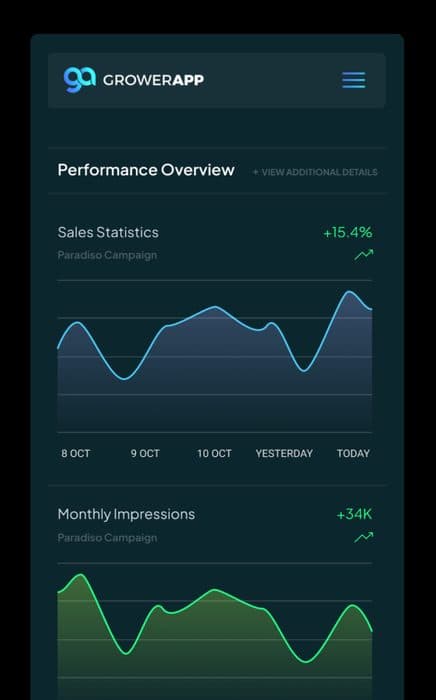
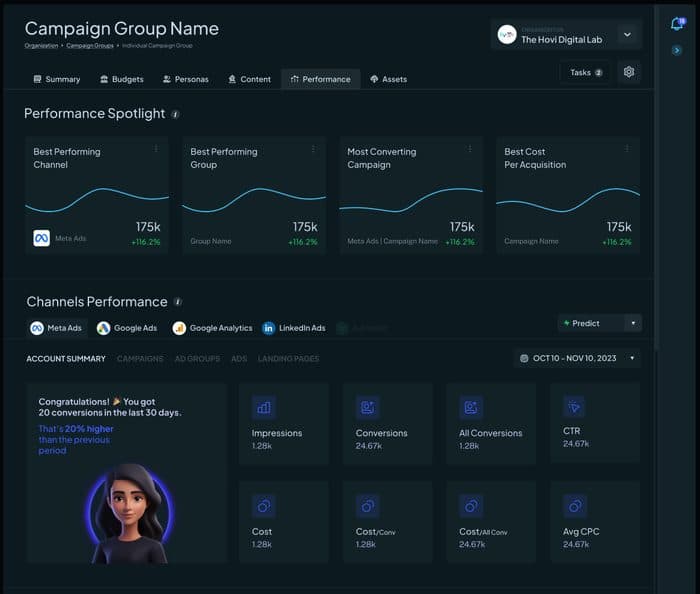
Grower consolidates every paid and organic channel into one performance view, then goes a step further with AI-generated recommendations on budget reallocation, audience targeting, and creative timing. Its spend-optimization layer flags underperforming campaigns and suggests where to move budget in real time, so the decision happens inside the platform instead of in a spreadsheet built after the fact.
Also worth a look
- Google Performance Max: AI-driven bidding and placement across Google's full inventory from a single campaign type.
- Meta Advantage+ Shopping: automated audience and budget optimization built for e-commerce campaigns.
- Triple Whale: attribution and profit tracking built for D2C brands running multi-channel paid ads.
- Supermetrics: pulls scattered channel data into one dashboard when a team needs custom reporting beyond what any single AI tool covers.
Field Note
Optimize for the metric your business actually runs on. A 4x ROAS looks great until half those conversions never repeat, refund, or pay back the acquisition cost. Ad platforms optimize for what you tell them to, so audit that choice every quarter.
Guessing who you're talking to is the most expensive mistake in marketing
Every campaign decision, from ad creative to channel mix to messaging, gets easier once the team actually knows who it's targeting. That used to mean a slow, expensive research project every year or two. AI has cut the cycle down to days: scraping competitor positioning, synthesizing customer notes into personas, and tracking how a market's language shifts in real time. That's why collecting real market data and building AI-assisted buyer personas belongs at the center of any marketing plan, not as a one-off workshop exercise.
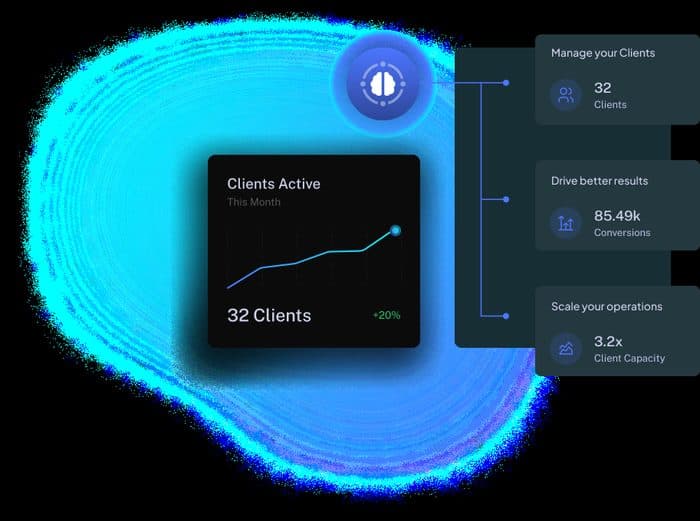
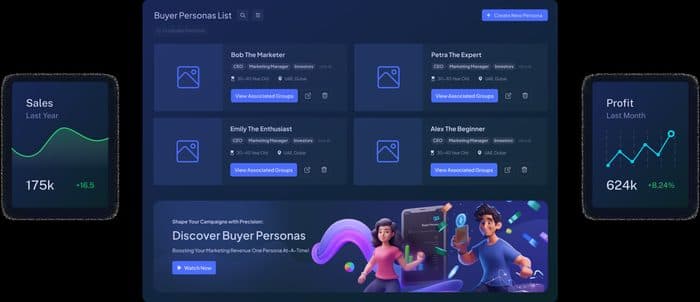
Grower builds and maintains AI-generated buyer personas directly from a brand's own campaign and customer data, then keeps them updated as new performance data comes in instead of leaving them to gather dust in a slide deck. Its AI-curated competitor and market analysis layer tracks how competitors are positioning and spending, so persona work stays grounded in what's actually happening in the market rather than a one-time snapshot from a workshop.
Also worth a look
- SparkToro: audience research showing what your actual audience reads, watches, and follows.
- Brandwatch / Sprout Social Listening: real-time tracking of how a market talks about a category or competitor.
- SEMrush Market Explorer: competitive and market-sizing data pulled from real search and traffic patterns.
- Claude or ChatGPT, used carefully: fast synthesis of interviews and reviews into a draft persona a strategist then edits and validates.
Field Note
Treat any AI-generated persona as a first draft. It's built from patterns in data, not a conversation with an actual customer, so validate it against at least a handful of real interviews or sales calls before a campaign is built around it.
A plan nobody follows is just a document
The marketing calendar is where strategy either survives contact with reality or quietly falls apart. AI planning tools earn their place here for a specific reason: they can hold far more variables in view at once than a person juggling a spreadsheet, from budget pacing and seasonal demand to what content already exists and what's about to go stale. A content calendar built with AI recommendations, not just a shared sheet, is what keeps a plan from becoming shelfware.
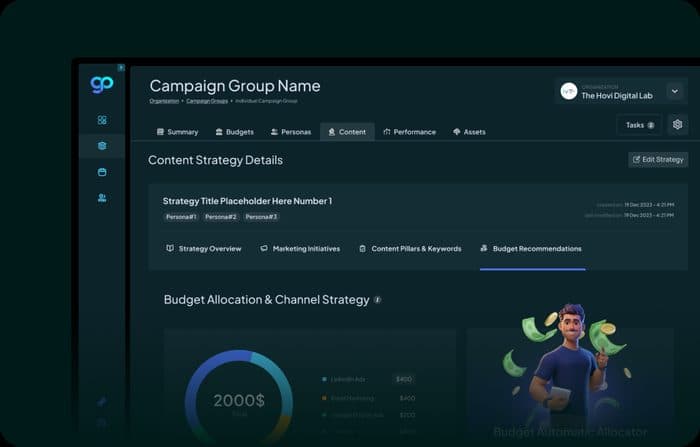
Grower's Marketing Planner ties the content calendar to the same budget and persona data driving the rest of the platform, so a campaign gets scheduled against a channel and audience that's actually shown results, not just an open slot on a calendar. Content pillars, keyword themes, and budget recommendations for each initiative live in the same view the team plans from.
Also worth a look
- CoSchedule: long the standard for marketing calendars, with built-in best-time-to-post recommendations.
- Notion AI: flexible calendar and content brief templates for teams that already run their operation in Notion.
- HubSpot's AI campaign assistant: ties calendar planning directly to the CRM data on what's actually converting.
- Trello with Butler automation: a lighter-weight option for small teams that need automated calendar rules without a full platform switch.
Field Note
The point of an AI-assisted calendar isn't more content. It's fewer wasted pieces: less publishing into dead channels, less duplicating a topic that already has three posts, and less scrambling because nobody noticed a launch and a promotional push collide on the same week.
Five More Ways to Put AI to Work
01Build an AI usage policy before someone else forces you to.
Decide now which data can go into a public AI tool, who reviews AI output before it ships, and how you'll disclose AI use where it's required.
02Measure incrementality, not just attribution.
Ad platforms will always take credit for a sale that might have happened anyway. Run periodic geo or holdout tests to confirm an AI-optimized channel is driving new revenue.
03Keep a real brand voice guide that AI tools are trained against.
Generic AI output sounds like every other brand's generic AI output. Feed your tools a real voice guide and real customer language, then edit hard before anything ships.
04Watch for AI content sameness in SEO.
Search engines and readers can both tell when a page reads like ten other pages targeting the same keyword. Use AI to speed up drafting, then add data and opinions only your team has.
05Audit your AI tool stack every two quarters.
Marketing AI tools ship new features monthly. A short audit twice a year usually finds at least one subscription that's now redundant.
You don't need every tool. You need the right sequence.
Hovi Digital Lab helps marketing teams across the GCC and Levant design and run AI-powered marketing systems, from the tool selection in this playbook to the campaigns that run on top of them. Explore our AI marketing solutions or get in touch for a second opinion on where AI would save your team the most time right now.
Frequently Asked Questions
It's a free PDF guide from Hovi Digital Lab covering five places AI now does real work in marketing: content and ad creation, task management and approvals, reporting and ad spend optimization, market analysis and buyer personas, and marketing plans and content calendars, with specific tools recommended for each.
Yes. Enter your name and work email and the PDF download starts right away. There's no trial, no credit card, and no sales call required.
It covers thegrower.ai for marketing operations (content creation, task management, reporting, ad spend optimization, and buyer personas), alongside tools like Canva Magic Studio, Adobe Firefly, Google Performance Max, SparkToro, and CoSchedule for specific use cases.
No. The playbook is tool-agnostic advice you can apply with any stack. It names specific tools, including platforms that combine several functions in one place, but the underlying advice on sequencing, governance, and measurement applies regardless of what you use.
Last reviewed: October 2026